
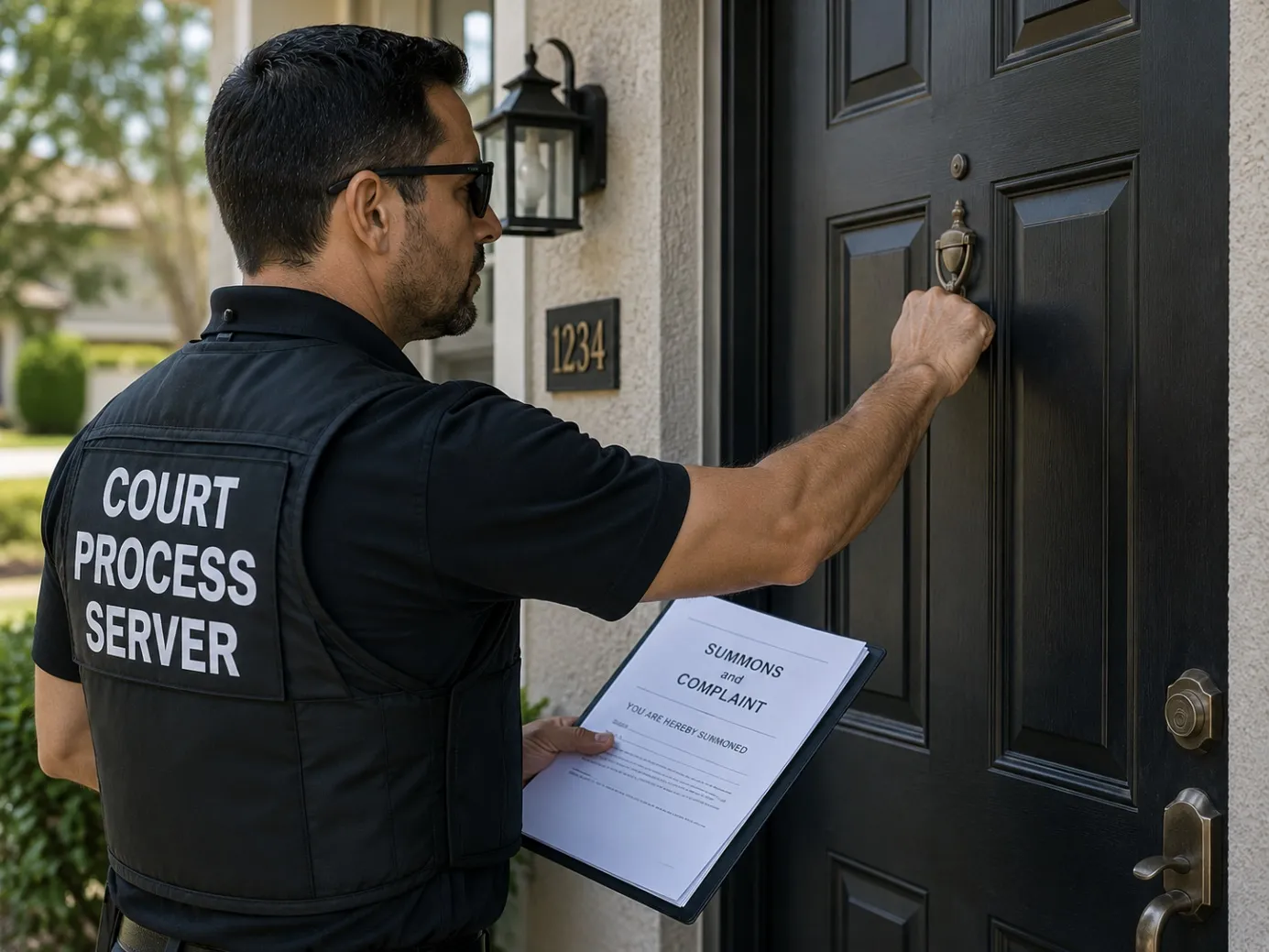
Legal disputes often involve strict procedures that must be followed before a case can move forward. One important requirement is ensuring that the appropriate people receive official legal documents. Although delivering paperwork may appear straightforward, the process can become complicated when addresses are outdated, recipients are difficult to locate, or procedural requirements differ between cases.
Professional process serving helps attorneys and individuals manage these challenges. A Private Investigator Miami FL may assist with locating individuals and supporting lawful document delivery when traditional approaches prove unsuccessful. Understanding the purpose of process serving can help people avoid unnecessary delays and recognize why accurate documentation matters throughout legal proceedings.
Understanding the Purpose of Process Serving
Process serving involves formally delivering legal documents to individuals or organizations involved in a court proceeding. Depending on the case, these documents may include summonses, complaints, subpoenas, or other notices requiring an official response.
Proper service helps ensure that affected parties receive legally required notification. It also supports procedural fairness by giving recipients an opportunity to understand the allegations or obligations involved.
Delivery requirements vary according to jurisdiction and document type. Simply handing paperwork to someone does not necessarily establish valid service. The correct procedures must be followed to avoid challenges later.
Why Finding Recipients Can Become Difficult
People change residences, relocate for employment, or maintain several addresses. As a result, information supplied by a client may no longer reflect where the intended recipient can reasonably be located.
Other difficulties arise when businesses change registered agents or when available contact details are incomplete. These circumstances can delay legal proceedings if they are not addressed carefully.
Investigators may use lawful public records and authorized research methods to identify current location information. The objective is to support legitimate legal notification, not to interfere with someone’s private life.
The Role of Professional Investigative Support
Some process-serving assignments require more than visiting an address. Investigators may need to verify identifying details, review available records, or determine whether a location is associated with the intended recipient.
Valdes Investigation Group provides process-serving and skip-tracing services, including assistance with difficult-to-locate individuals and corporate recipients in South Florida.
Such services can be useful when repeated delivery attempts have failed. However, investigators must still follow applicable service rules and avoid unauthorized access to private property or restricted information.
Maintaining Accurate Records of Delivery Attempts
Documentation is a central part of proper process serving. An incomplete account of when or how documents were delivered may create questions about whether service occurred correctly.
Process servers generally document relevant details such as the date, time, location, delivery method, and identity information required by applicable rules. They may also record unsuccessful attempts when appropriate.
Proof of service, often completed through an affidavit or other required filing, provides the court with a formal record. The specific documentation needed depends on the proceeding and governing jurisdiction.
Handling Situations Where Recipients Cannot Be Found
An unsuccessful service attempt does not necessarily mean the legal matter cannot continue. Courts may permit alternative approaches under certain circumstances, depending on the applicable rules.
Those alternatives should not be selected without proper legal guidance or authorization. Attorneys may need to demonstrate reasonable efforts to locate the recipient before requesting another service method.
Investigative research can help document those efforts. Accurate records allow legal professionals to explain what was attempted and determine which procedural options may remain available.
Avoiding Common Mistakes During Legal Notification
Several preventable problems can interfere with document delivery. Incorrect addresses, outdated business information, and assumptions about a person’s identity may lead to unsuccessful attempts.
Clients can reduce complications by providing complete documents, accurate identifying information, and any relevant deadlines. They should also explain whether earlier delivery efforts have already occurred.
Another mistake is confusing document delivery with legal advice. Process servers help complete procedural tasks, while attorneys determine legal strategy and ensure compliance with the applicable court requirements.
Why Timely Communication Supports Case Progress
Legal proceedings frequently involve deadlines that affect filings, responses, and scheduled hearings. Delayed service can create additional administrative work or require changes to existing plans.
Clear communication between attorneys, clients, and process servers helps identify problems early. If an address proves incorrect or additional research becomes necessary, the responsible parties can evaluate the next appropriate action.
Reliable updates also prevent misunderstandings about whether documents have been delivered successfully. A completed assignment should include the documentation required for the case.
Conclusion
Proper process serving supports fair legal proceedings by helping ensure that individuals and organizations receive required court documents. Successful delivery depends on accurate information, lawful procedures, and careful documentation rather than simply locating an address.
Professional services associated with valdesinvgr.com include process serving and location-related investigations, which may assist legal professionals managing difficult assignments. Individuals involved in legal proceedings should understand the relevant deadlines and consult qualified attorneys when procedural questions arise. Careful preparation and reliable records can help reduce avoidable complications while supporting the orderly progress of a case.