
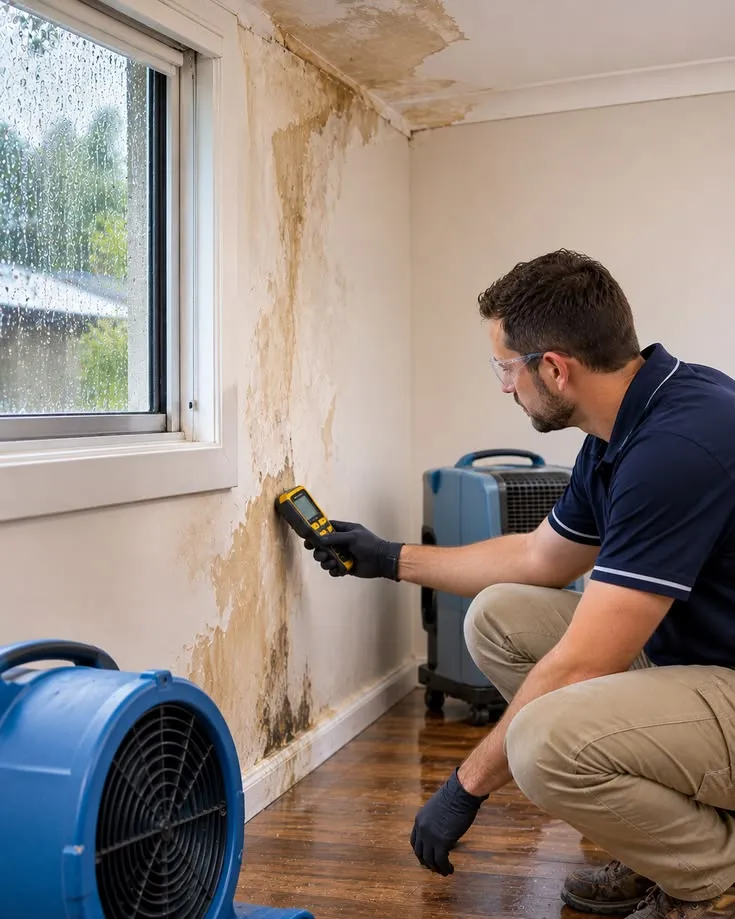
Discovering mold in a rental apartment can create unexpected financial concerns, particularly when clothing, furniture, or electronic equipment becomes damaged. Many tenants assume their renters insurance will cover these losses, but the answer depends on the policy, the cause of the damage, and applicable exclusions.
For Los Angeles residents, understanding insurance coverage before submitting a claim can prevent unnecessary confusion. Consulting a mold claim lawyer may also help when disputes involve potentially responsible landlords or insurers. Knowing the differences between insurance benefits and legal compensation is an important starting point.
Understanding What Renters Insurance Usually Covers
Renters insurance generally protects certain personal belongings against specified events, such as theft, fire, and some forms of accidental water damage. Depending on the policy, it may also provide liability protection and additional living expenses following a covered loss.
However, renters insurance does not typically cover damage to the building itself because that property belongs to the landlord. Coverage for mold may also be limited or excluded.
Tenants should examine their policy rather than assuming every damaged item qualifies for reimbursement. The circumstances surrounding the loss are especially important.
Why the Cause of Mold Damage Matters
Insurance companies often distinguish between sudden accidental water damage and moisture problems developing gradually over time. This difference can affect whether a particular claim falls within the policy’s coverage.
For example, damage following an unexpected plumbing failure may be evaluated differently from mold developing after months of persistent leakage.
Nevertheless, a covered water event does not automatically mean all resulting mold damage is insured. Exclusions, limitations, and endorsements can change the outcome.
Understanding the original cause helps tenants ask more precise questions when communicating with an insurance representative.
Questions to Ask Before Filing a Claim
Reviewing insurance documents early can make the claims process easier. Tenants should identify the sections addressing personal property, water damage, mold limitations, and additional living expenses.
Important questions include:
-
Does the policy exclude mold-related damage?
-
Are sudden plumbing failures covered?
-
Is there a separate mold coverage limit?
-
What deductible applies to the claim?
-
Are professional cleaning expenses eligible?
-
Does the policy cover temporary accommodation?
Answers depend on the actual insurance contract. A written explanation from the insurer can help tenants understand which provisions apply to their situation.
Understanding Insurance Documentation Requirements
Insurance claims often require evidence of ownership, damage, and the circumstances surrounding the loss. Receipts, purchase records, and photographs can help establish the value of affected belongings. Tenants should also retain correspondence with their insurer and any written explanation of coverage decisions.
An insurer may request additional information or an inspection before determining whether a claim is payable. Residents should follow applicable notice requirements and avoid disposing of damaged items before documenting them when safe. Accurate information is essential because incomplete or inconsistent claims can create unnecessary disputes.
When Landlord Responsibility Becomes Relevant
Insurance coverage and landlord liability are separate legal questions. An insurance company might deny coverage under a policy exclusion even when a landlord’s failure to maintain the property raises a potential legal issue. A tenant mold lawyer can evaluate whether the circumstances involve violations of California habitability requirements or other legally recognized claims.
Important considerations may include maintenance obligations, notice of recurring moisture, and evidence connecting the conditions to claimed losses. However, the presence of mold does not automatically establish negligence or guarantee compensation. Each claim requires an individual assessment.
What Happens When an Insurance Claim Is Denied?
A denied insurance claim does not necessarily mean the claimant has no further options. The first step is reviewing the insurer’s written explanation and identifying the relevant policy provisions. Tenants may request clarification, provide additional supporting information, or use available reconsideration procedures.
California residents can also seek consumer assistance from the California Department of Insurance when they have questions about insurer conduct or claim handling. Legal advice may be appropriate when substantial losses or disputed contractual obligations are involved. The available remedies depend on the particular policy and applicable law.
Conclusion
Mold-related insurance claims require careful examination of policy language, damage causes, and available evidence. Understanding coverage exclusions and distinguishing insurance benefits from landlord responsibilities can help California renters evaluate their financial options.
For individuals facing mold-related housing disputes, mehdlaw.com provides information about toxic mold claims and tenant protections. Reviewing insurance documents and obtaining qualified guidance can help residents make informed decisions without assuming every loss is automatically covered.